
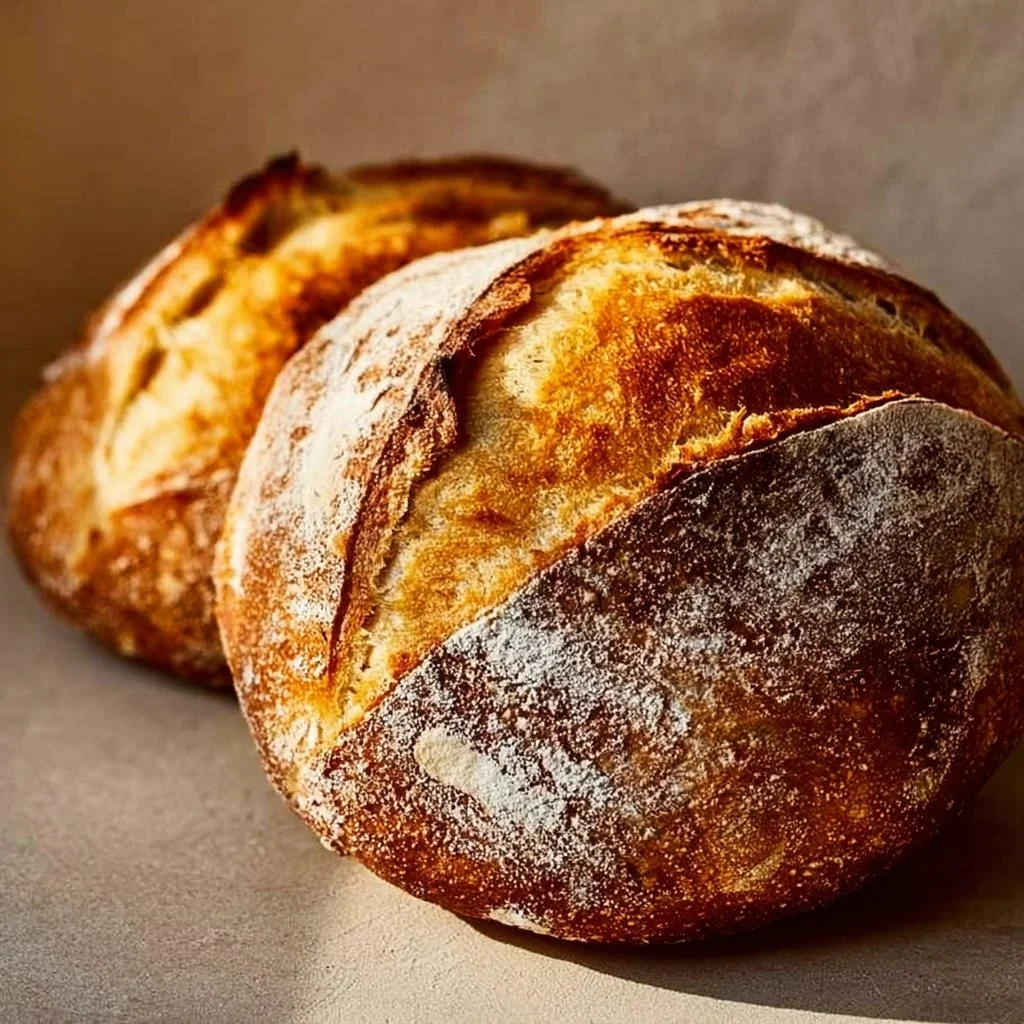
Classic Sourdough Bread
Crafting the perfect loaf of sourdough bread is an art form that combines science with intuition. With its crispy crust, chewy interior, and tangy flavor, sourdough is more than just a bread; it’s a culinary staple that speaks to tradition. I still remember the delightful aroma wafting through my kitchen the first time I made this bread. It was a true labor of love, from nurturing the starter to that magical moment when the dough transforms in the oven. Sourdough has a unique way of bringing people together, making it an ideal addition to any table.
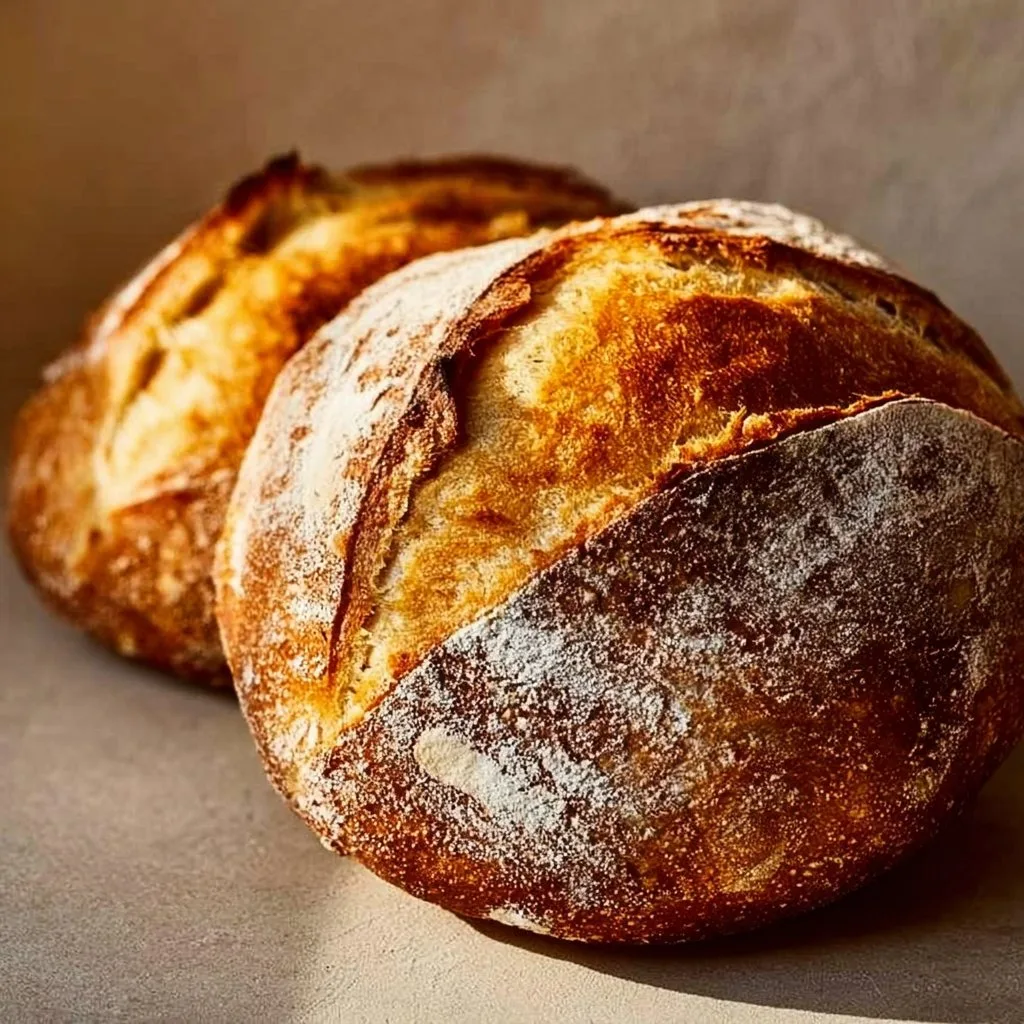
Table of Contents
Table of Contents
Why Make This Recipe
This recipe stands out not only for its delicious flavor but also for the satisfaction it brings. The process might seem intricate, but forging that perfect loaf is immensely rewarding. Easy enough for a weekend baking project, yet impressive enough to serve at gatherings, sourdough is perfect for brunch or a cozy dinner.
“This bread has changed my home baking game! The crust is divine and the flavor is on another level.” – Happy Baker
How to Make Classic Sourdough Bread
Baking sourdough bread is a multifaceted process that rewards patience and practice. While the list of steps may seem extensive, breaking it down can simplify the journey. You’ll witness the magic of fermentation, kneading, and baking all play their parts in creating this classic loaf.
Ingredients
Gather these essential items for your baking adventure:
- 500g bread flour
- 350g water
- 100g sourdough starter
- 10g salt
Each ingredient plays a vital role; the bread flour provides structure, the water hydrates the dough, the starter adds that distinctive tang, and the salt enhances flavor. If you find yourself without bread flour, all-purpose can serve as a substitute, though the texture may vary slightly.
Directions
The process of making sourdough might seem daunting at first, but taking it step by step will yield great results. Follow this straightforward method to achieve that perfect loaf.
Step 1
In a large bowl, mix the bread flour and water until no dry flour remains. Allow it to rest for 30 minutes. This step, known as autolyse, helps develop gluten and enhances flavor.
Step 2
Add the sourdough starter and salt to the dough. Mix until fully incorporated.
Step 3
Knead the dough for about 10 minutes until it feels smooth and elastic. This physical interaction builds the structure needed for holding air and creating a nice crumb.
Step 4
Place the kneaded dough in a lightly greased bowl, cover it, and let it rise for 4 to 6 hours at room temperature, or until it has doubled in size.
Step 5
Gently shape the dough, then place it into a floured proofing basket. Allow it to rise for an additional 2 hours.
Step 6
Preheat your oven to 450°F “232°C”), placing a Dutch oven inside to heat up.
Step 7
Carefully transfer the dough into the hot Dutch oven. Cover it and bake for 30 minutes to create steam.
Step 8
Remove the lid, then bake for another 15-20 minutes, or until the crust turns a deep golden brown.
Step 9
Once baked, let the bread cool completely on a wire rack before slicing. This step is crucial as it allows the interior to finish setting.
How to Serve Classic Sourdough Bread
Classic sourdough is versatile and pairs well with a myriad of toppings. Enjoy it fresh with butter, use it for sandwiches, or toast slices for a delightful breakfast option. For a robust flavor experience, combine it with artisan cheeses, charcuterie, or hearty soups.
How to Store
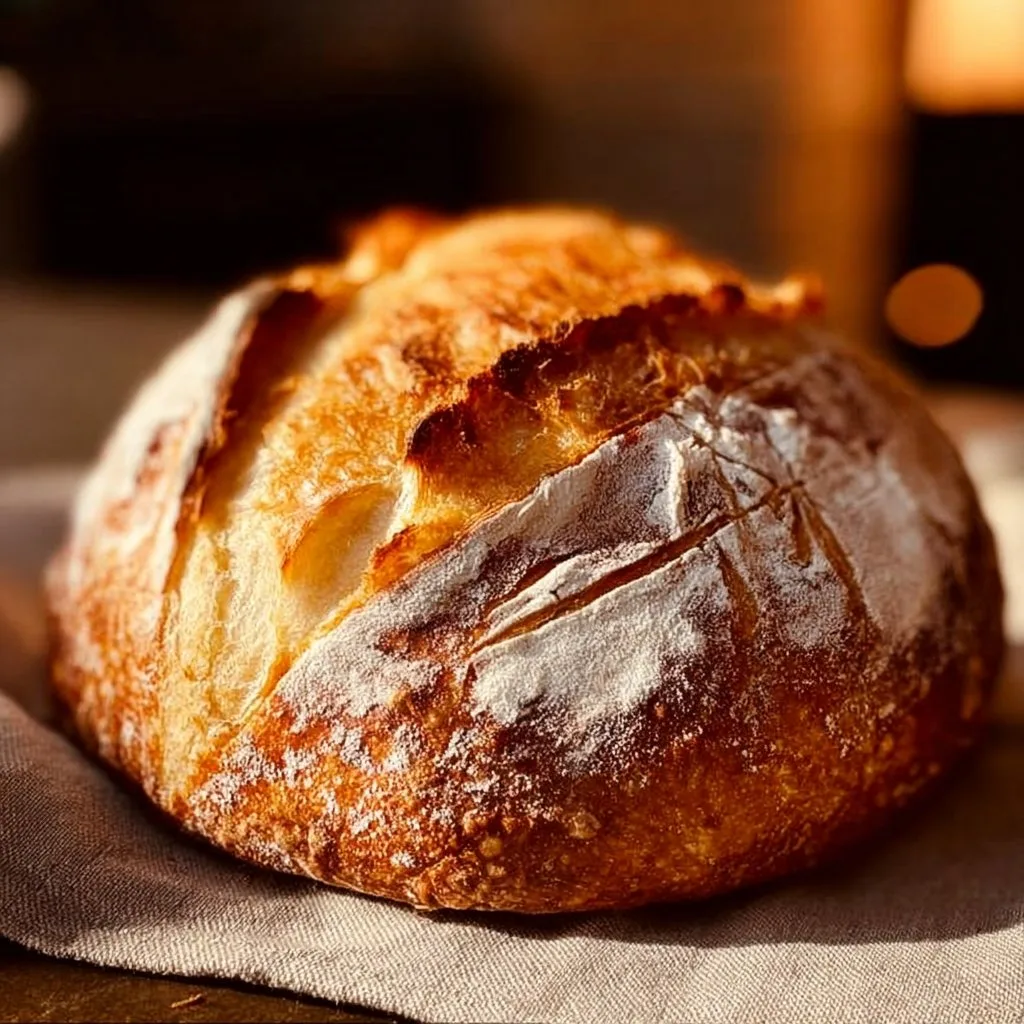
Correctly storing your sourdough bread is essential to maintain its texture and flavor. Once fully cooled, wrap it in a breathable cloth or paper bag—avoid plastic wrap as it traps moisture and softens the crust. For longer storage, you can slice the bread and freeze it. To enjoy later, simply toast slices directly from the freezer.
Tips to Make
- Always ensure your sourdough starter is active before beginning this recipe; it should be bubbly and have doubled in size after feeding.
- Use a kitchen scale for precise measurements, which is key in baking.
- Consider using a bench scraper when shaping the dough to keep your hands clean and make the process smoother.
Variations
There’s plenty of scope for creativity with sourdough! Experiment by adding herbs, spices, or even cheese to the dough for infused flavors. For a sweeter twist, consider incorporating dried fruits or nuts. Transforming this sourdough into a sandwich loaf or dinner rolls would yield a delightful alternative.
Conclusion
Making classic sourdough bread at home might feel intimidating, but the final product is absolutely worth it. The delightful, crispy crust and tender crumb offer a rewarding experience, both in the baking and the tasting. I encourage you to give this recipe a try—your kitchen will thank you, and you’ll want to share your results with family and friends!
FAQ
Can I use all-purpose flour instead of bread flour?
Yes, all-purpose flour can be substituted, but for the best texture and rise, bread flour is recommended due to its higher protein content.
How can I tell if my sourdough starter is ready to use?
Your starter should be bubbly and have approximately doubled in size after feeding. It should also have a pleasant, slightly tangy smell.
How long does sourdough bread last?
When stored properly, sourdough bread can last for several days at room temperature. For longer preservation, consider freezing slices to maintain freshness.
Print
Classic Sourdough Bread
- Total Time: 75
- Yield: 1 loaf 1x
- Diet: Vegetarian
Description
Craft the perfect loaf of sourdough bread with a crispy crust, chewy interior, and tangy flavor that brings people together.
Ingredients
- 500g bread flour
- 350g water
- 100g sourdough starter
- 10g salt
Instructions
- In a large bowl, mix the bread flour and water until no dry flour remains. Allow it to rest for 30 minutes.
- Add the sourdough starter and salt to the dough. Mix until fully incorporated.
- Knead the dough for about 10 minutes until it feels smooth and elastic.
- Place the kneaded dough in a lightly greased bowl, cover it, and let it rise for 4 to 6 hours at room temperature, or until doubled in size.
- Gently shape the dough and place it into a floured proofing basket. Allow it to rise for an additional 2 hours.
- Preheat your oven to 450°F (232°C), placing a Dutch oven inside to heat up.
- Carefully transfer the dough into the hot Dutch oven. Cover it and bake for 30 minutes.
- Remove the lid, then bake for another 15-20 minutes until the crust turns a deep golden brown.
- Let the bread cool completely on a wire rack before slicing.
Notes
Ensure your sourdough starter is active. Use a kitchen scale for precise measurements.
- Prep Time: 30
- Cook Time: 45
- Category: Bread
- Method: Baking
- Cuisine: American
Nutrition
- Serving Size: 1 slice
- Calories: 160
- Sugar: 0g
- Sodium: 400mg
- Fat: 2g
- Saturated Fat: 0g
- Unsaturated Fat: 1g
- Trans Fat: 0g
- Carbohydrates: 30g
- Fiber: 1g
- Protein: 5g
- Cholesterol: 0mg